
 Written by:
Zarah Mae Torrazo leads the content team for Parkhound, WhereiPark, Spacer.com.au, and Spacer.com, where she focuses on helping drivers navigate city-specific parking rules, street regulations, and reliable monthly parking options across major North American and Australian markets. With nearly a decade of experience in research-driven content, she translates complex local parking policies into clear, practical guidance that helps people find safe, affordable spaces wherever they’re headed. Her work draws on a deep understanding of how urban parking systems operate and how shared parking solutions can support both drivers and communities.
 Edited by:
Louise is an SEO Writer for Spacer Technology, creating content for the Parkhound, WhereiPark, Spacer.com.au, and Spacer.com brands. Before joining Spacer, Louise wrote copies and blogs, news, retirement and financial education content. She is enthusiastic about reinforcing financial literacy and anything that can aid people in minimizing expenses and maximizing savings, which led to her passion for the sharing economy. She aims to educate people by translating complex ideas into easy-to-digest information and practical tips for maximum understanding and minimum migraine.
Passive income is money you earn with little to no ongoing effort after the initial setup. And as day-to-day expenses continue to rise, more people are looking for ways to earn money that doesn’t require clocking in extra hours.
Rising costs (like housing, food, and inflation) are pushing more Americans to seek financial stability through side gigs, freelance work, investment income, or multiple jobs. In fact, almost 4 in 10 adults have a side hustle, over 70% of professionals rely on a backup income source, and more than 8 million people now juggle more than one job.
But while the idea of passive income is becoming more popular, it’s often misunderstood.
As financial coach and retired hedge fund manager Todd Tresidder explained in an interview with Fox Business, “Many people think that passive income is about getting something for nothing, but in the end, it still involves work. You just give the work upfront.”
And with high-interest debt looming for many households, building reliable passive income streams is becoming less of a luxury and more of a necessity.
Passive income is everywhere in the conversation right now, but not every idea is worth your energy. We’ve put together a list of 2025’s most practical and sustainable options that are actually within reach for most people.
This roundup draws from current trends and advice from financial professionals, offering a clear look at what works in today’s economy.
Let’s explore the best ways to earn money while you sleep.
Artificial Intelligence (AI) tools and creator platforms have made launching digital products easier than ever. You don’t need coding skills or huge budgets. It starts with understanding what people want to learn, solve, or improve.

As financial planner and founder of The Bemused Akeiva Ellis told Business Insider, “I’m seeing people creating digital products. Whether that’s a printable they sell online, or a worksheet, or a guide, or an ebook or an online course, it’s those kinds of things that people can set up once, and that requires little to no maintenance.”
High upfront: You’ll need time to create your product, whether that’s writing an ebook, designing templates, or recording a course. It can take days or even weeks to get it right.
Low maintenance later: Once it’s live, it mostly runs in the background. You might update it occasionally or run a promo, but for the most part, the hard part’s done.
Sometimes, your next passive income stream is hiding in plain sight, like that unused closet or spare room filled with old stuff.
You can make money from things you don’t use or space you don’t need. Nowadays, more and more people are renting out their driveways, storage areas, cars, bikes, and even tools. And thanks to several online platforms, putting up your items for rent or lease can be done with just a few steps.
Renting out your space isn’t just about extra cash, it’s about making use of what you already have. As Spacer CEO Mike Rosenbaum puts it, “Renting out your unused space is a win–win. You’re helping someone who needs parking or storage, and at the same time, you’re creating a reliable stream of passive income for yourself.”
“It’s one of the simplest ways to unlock hidden value in everyday assets. whether it’s your driveway, garage, or an empty storage room,” he added.
And thanks to several online platforms, putting up your items for rent or lease can be done with just a few steps.
Moderate upfront: You’ll need to prep the space or item. This could mean cleaning up your driveway or garage, photographing, or creating a listing. Don’t worry about setting up! Platforms often provide helpful guides for first-timers.
Low maintenance after: Once your listing is live and automated (e.g., through smart locks or scheduled access), you mostly manage bookings and occasional upkeep/ maintenance.
Many people want to invest in stocks or index funds, but there’s a common belief that it takes a lot of money and know-how to succeed. But the reality of it is that you don’t need to be an expert to start investing.
Dividend-paying stocks and index funds are two of the most beginner-friendly options. Thanks to beginner-friendly platforms and auto-invest tools, you can get started even today.
In fact, Ms. Ellis said it’s already a go-to strategy for many people building long-term income. “ Dividend income is definitely one major source of passive income that a lot of my clients have,” the expert noted.

Low upfront: Choose your investments and set up auto-invest and DRIP. Most platforms walk you through this in minutes.
Minimal after setup: Once your system’s running, you can check in every few months or rebalance once a year if needed.
According to Investopedia, dividend stocks pay out an average of 2–5% per year. Index funds like the S&P 500 average 6–10% annual returns, including growth and dividends.
For example, investing $5,000 into a dividend ETF with a 4% yield could earn about $200 per year, and that amount grows if you keep reinvesting.

You don’t need fancy gear or a huge following to get started. With the right niche and consistent uploads, your content can earn over time through ads, affiliate links, and sponsorships.
Evergreen topics like “how to,” reviews, and personal finance tend to perform well because people keep searching for them.
As shared on the Smart Passive Income Podcast hosted by Pat Flynn, Jenna Kutcher, entrepreneur and host of The Goal Digger Podcast, said that “When it comes to passive income, evergreen content can do the work for you after you create it.”
High upfront: You’ll spend time scripting, filming or recording, editing, and uploading. You will also need to learn basic SEO for titles and thumbnails to help your content get found.
Ongoing upkeep: Unlike a digital product, content needs to be posted regularly to grow your audience. But older videos or episodes can keep earning for years if they perform well.
Earnings vary wildly, but here’s some insight on how much you can earn:
Short videos can go viral fast. And with the right approach, they can turn into a real income stream. Platforms like TikTok, Instagram, Facebook, and YouTube now offer payouts through creator funds, bonuses, ad revenue sharing, and brand partnerships.

Most successful short-form creators focus on relatable or shareable topics like tutorials, mini-vlogs, product recommendations, or quick tips.
Many creators start with simple, relatable videos and grow from there. Addison Rae began by posting dance routines on TikTok, eventually landing brand deals and even film roles. Alix Earle became a viral name in beauty and lifestyle, building a loyal following that attracted sponsorships. Even creators with niche content have seen success, like Charli D’Amelio, who gained millions of followers through dance videos and later launched her own product lines.
You don’t need fancy cameras or ring lights. A good phone and consistent uploads can be enough to grow an audience.
Business Insider reports that “Even with fewer than 1,000 followers, users can engage in marketing challenges on third-party platforms … Creators can start making money with a relatively small following.”
Medium upfront: Filming short videos is quick, but editing and posting regularly takes time.
Ongoing upkeep: Trends move quickly. Staying visible means adapting and posting consistently.
Affiliate marketing is one of the most popular ways to earn passive income online in 2025. It works like this: you recommend a product or service through your blog, newsletter, or social media. If someone clicks your link and makes a purchase, you earn a small commission at no extra cost to the buyer.
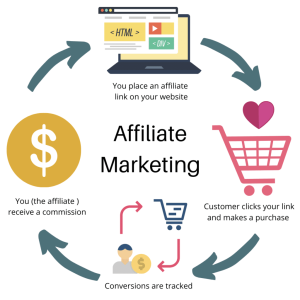
While you don’t need to have a huge audience to earn money, you do need trust. Creators who build credibility over time tend to see better conversions. Content like tutorials, reviews, and roundups usually performs best for affiliate links.
Tech YouTuber Marques Brownlee, for example, includes affiliate links in most of his product descriptions. Bloggers like Wirecutter and The Strategist also generate major revenue from affiliate sales through in-depth, helpful reviews.
Real estate is one of the most talked-about ways to build wealth, and for good reason. As Brent Weiss, cofounder of Facet Wealth, told Business Insider, “The No. 1 thing we all talk about is real estate… Probably half of my clients are now thinking about real estate differently. All of a sudden they’re paying half their mortgage and creating additional income for their family.”
While buying or having a property is one approach, you don’t need to own or rent out a home to tap into real estate income. For those who want to get into the real estate game, crowdfunded real estate platforms and REITs (Real Estate Investment Trusts) offer a simpler way in.
With crowdfunded real estate, you team up with other investors to fund property projects, like apartment buildings or commercial spaces. You earn a share of the income or profits, and the platform handles everything from property management to reporting. These investments are usually long-term, with dividends paid out regularly.
Meanwhile, REITs work more like stocks. They’re companies that own income-generating properties and pay out a part of their earnings to shareholders. You can invest in REITs through most trading apps, and many pay consistent quarterly dividends. They’re more liquid than crowdfunded real estate and better suited for short- to mid-term goals.
Low upfront: Sign up, fund your account, and choose your plan.
Passive afterward: The platform manages your investment. You just track performance and receive dividends.
Passive income isn’t one-size-fits-all. What works for one person might not work for another. The best approach is to start small, stay consistent, and reinvest your earnings to grow over time. Whether you’re sharing knowledge, renting out unused space, or investing a little each month, momentum builds as you go.
Always do your due diligence before putting in money, especially with platforms or financial products. And remember: even “passive” income takes some upfront effort.
Got a spare garage or driveway? Try earning passive income through Spacer by renting out your unused parking space.
Zarah Mae Torrazo leads the content team for Parkhound, WhereiPark, Spacer.com.au, and Spacer.com, where she focuses on helping drivers navigate city-specific parking rules, street regulations, and reliable monthly parking options across major North American and Australian markets. With nearly a decade of experience in research-driven content, she translates complex local parking policies into clear, practical guidance that helps people find safe, affordable spaces wherever they’re headed. Her work draws on a deep understanding of how urban parking systems operate and how shared parking solutions can support both drivers and communities.
Zarah Mae Torrazo leads the content team for Parkhound, WhereiPark, Spacer.com.au, and Spacer.com, where she focuses on helping drivers navigate city-specific parking rules, street regulations, and reliable monthly parking options across major North American and Australian markets. With nearly a decade of experience in research-driven content, she translates complex local parking policies into clear, practical guidance that helps people find safe, affordable spaces wherever they’re headed. Her work draws on a deep understanding of how urban parking systems operate and how shared parking solutions can support both drivers and communities.
This will close in 0 seconds
This will close in 0 seconds